In January 2022, I was diagnosed with stage IV Hodgkin’s Lymphoma. I had gone to my family doctor in December 2021 with symptoms that weren’t “worrisome” at the time, but triggered a series of tests which led to the eventual diagnosis of lymphoma. It was a complete shock. I didn’t have any of the risk factors for lymphoma, but somehow the universe decided that I needed a significant challenge to face in 2022.
Time moved very slowly from receiving the phone call on January 7 from the surgeon who did my lymph node biopsy, to my first meeting with my hematologist on January 27 to receive the official diagnosis and discuss the treatment plan. In addition to the shock of being diagnosed with lymphoma, the stage IV diagnosis blew me away. Based on the results of my CT scan, and extensive Googling, I had self-diagnosed my lymphoma as stage II. I don’t like to be wrong, and I was unprepared to hear the words “stage IV.” My hematologist said that the prognosis for Hodgkin’s Lymphoma was good, regardless of the stage (this is different from other cancers, where a stage IV diagnosis can have very bad outcomes, depending on the type of cancer), and that the stage IV diagnosis actually opened up a new, more aggressive, chemotherapy regimen that wouldn’t have been an option with a stage II diagnosis (glass half full?). She advised that I would have to do six cycles of chemotherapy, with biweekly treatment, yielding 12 treatments in total (each chemotherapy cycle had two treatments). I left her office in the morning, and by that afternoon, I had received a call advising that I had been booked in to start treatment on January 31. It was a lot to process in a very short period of time, and my head was spinning.
The last six months have been a blur. They say that time flies when you are having fun. Except that chemotherapy is the opposite of fun. It was the hardest thing that I have ever done (and I’ve done some hard things). Throughout this “journey” (I hate that word), I received excellent care. From my family doctor who kept digging when the tests weren’t yielding an answer, to my hematologist and clinic nurse who answered all of my questions (apparently I had a lot of them), to the awesome nurses at the CancerCare treatment room (with a shout-out to my favourite nurse, Meaghan, who was amazing).
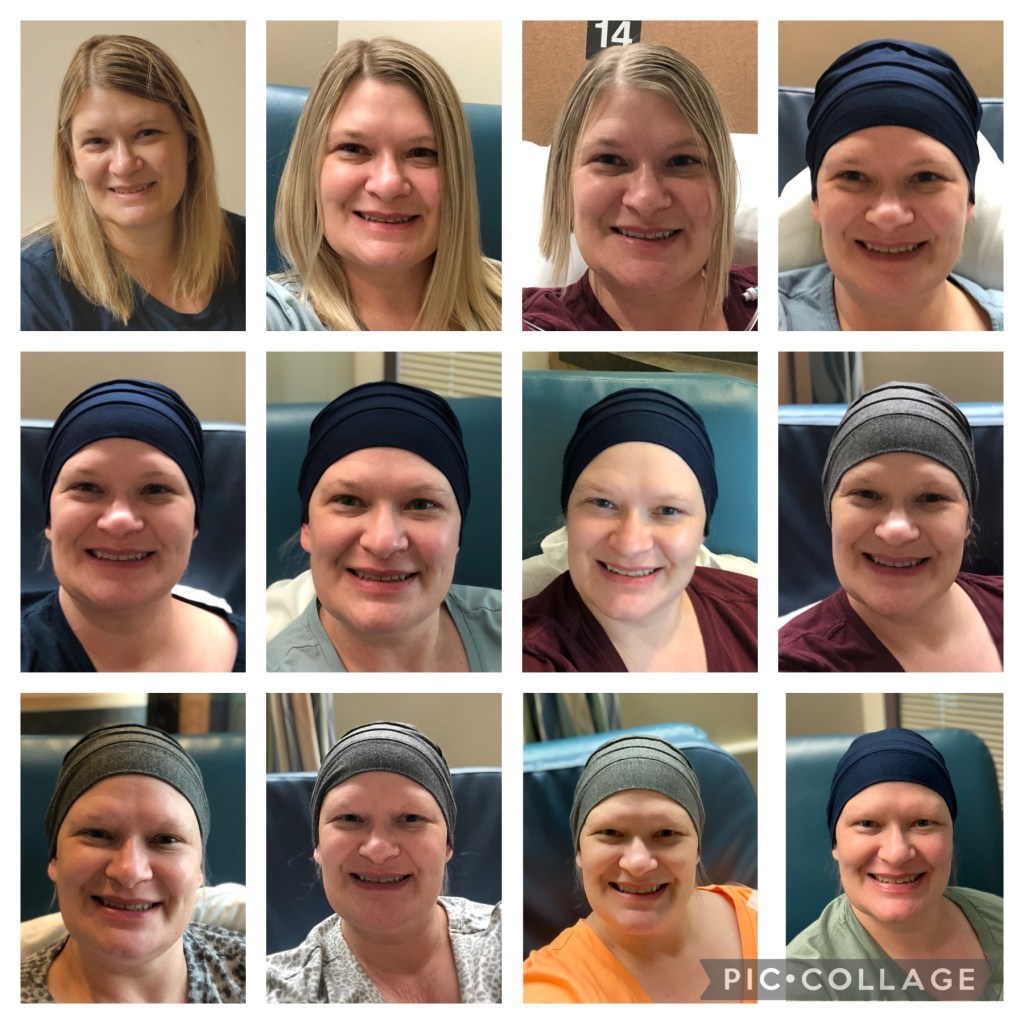
I had my final scheduled treatment on July 4, and a post-treatment PET scan last week to assess the effectiveness of my treatment. According to my PET scan, I have achieved a clinical remission. Treatment successful! I made the mistake of calling myself cured, and my hematologist corrected me and said that a remission is only a remission if it sticks. So, now we start the five year clock until I can be considered cured. For my treatment regimen, the five year cure rate is 86.6%, so I am optimistic. But relapse is going to be front of mind for at least the next two years (this is the time when relapse is most likely).
A cancer diagnosis leads to a lot of reflection – about life, the future, and myriad other things. As this is a financial blog, I’m going to focus on the financial aspects and the life lessons that can be gleaned from them.
1. Have an emergency fund! An emergency fund is money that has been set aside to deal with unexpected expenses (e.g., job loss, health problems that prevent you from working, significant vehicle repairs). The rule of thumb is to save 3-6 months of your fixed expenses (e.g., mortgage/rent, groceries, transportation). Having an emergency fund will (hopefully) allow you to handle an unexpected expense without having to go into debt.
In my previous role as Assistant Professor at the University of Manitoba, I was a member of UMFA, the University of Manitoba Faculty Association. As an UMFA member, I was entitled to six months of sick leave. In my new role as Financial Counsellor at the Rady College of Medicine at the University of Manitoba, I am no longer a member of any union. The sick leave benefits that I am entitled to are based on the number of hours worked in the role. At the time of my illness, I was entitled to 87 hours of sick leave. I had some accumulated vacation time, but the reality was that I had little paid time off to cover me for a long-term illness. After my paid time off from the University of Manitoba had been exhausted, I applied for Employment Insurance (EI) sickness benefits. EI sickness benefits can provide up to 15 weeks of financial assistance if you can’t work for medical reasons. However, the benefits are paid at 55% of your weekly earnings, up to a maximum of $638/week. This is unlikely to be a sufficient amount of income, given the reduced percentage of your pre-illness earnings, and the availability of only 15 weeks of benefits.
Luckily, I follow my own advice and have an emergency fund, and didn’t experience financial hardship during my illness. However, for any of you who do not yet have an emergency fund, think about how you would fund your current lifestyle if you had an interruption in your current income stream due to a serious illness or job loss.
2. Have long-term disability insurance coverage! Disability insurance provides protection during an injury or illness that prevents you from working. It is essentially income replacement insurance. As part of my staff benefits at the University of Manitoba, I do have long-term disability insurance coverage. However, the waiting period before coverage begins is six months, so there were no disability benefits payable during my medical leave.
I recommend disability insurance to all of the medical students that I work with. Doctors Manitoba offers a student disability insurance policy to all medical students, and during the fall open enrollment period, the coverage is offered on a non-medical basis. This means that there is no medical questionnaire required, and any prior health issues do not have to be disclosed on the application. This is an excellent opportunity to apply for coverage, as disability insurance is typically medically underwritten, and prior health issues may cause your application to be denied, or there could be exclusions on the type and amount of coverage that is offered.
People sometimes say “I am young and healthy. Why would I need disability insurance?” You should apply for disability insurance NOW when you are young and healthy, as future health issues are unpredictable and may affect your eligibility for coverage.
3. Have a Health Care Directive! At my first hematologist appointment, the resident provided me with an “It’s About Conversations” advance care planning brochure with information about preparing a Health Care Directive. This was despite having been told by my hematologist earlier in the appointment that the treatment goal was cure. But I guess that the first appointment was a “one size fits all,” and they wanted me to be prepared for all scenarios.
In Manitoba, a Health Care Directive form can be completed and signed, and provides you with the opportunity to designate a health care proxy and provide treatment instructions. A health care proxy is someone you choose and name in your directive to act for you in the event you are not able to make such judgments and speak on your own behalf. Treatment instructions concern medical treatments that you do or do not wish to receive and the circumstances in which you do or do not wish to receive that treatment. Be sure that your family, friends, your doctor and your proxy know that you have a directive and know where it can be found.
When you are young and healthy, these are easy tasks to push off because you don’t think that they are necessary at your age. Let me tell you, life can throw you a curveball, regardless of your age, and you may no longer be in a position to plan for these things.
I am now in the recovery stage of my cancer journey. Apparently it can take two months of recovery for each month of treatment. My treatment lasted five and a half months, so it could take up to 11 months before I am back to normal. And apparently this may be a “new normal.” I’m slow-going right now, which is not unexpected after having spent six months in bed, but I’m going to get there… eventually.
I’m calling this next phase of my life LAL – life after lymphoma. And I have big plans for it. Stay tuned!
 Life Lessons